



Chevy Trim Levels Explained: LT, RST, LTZ, Z71, Trail Boss & More
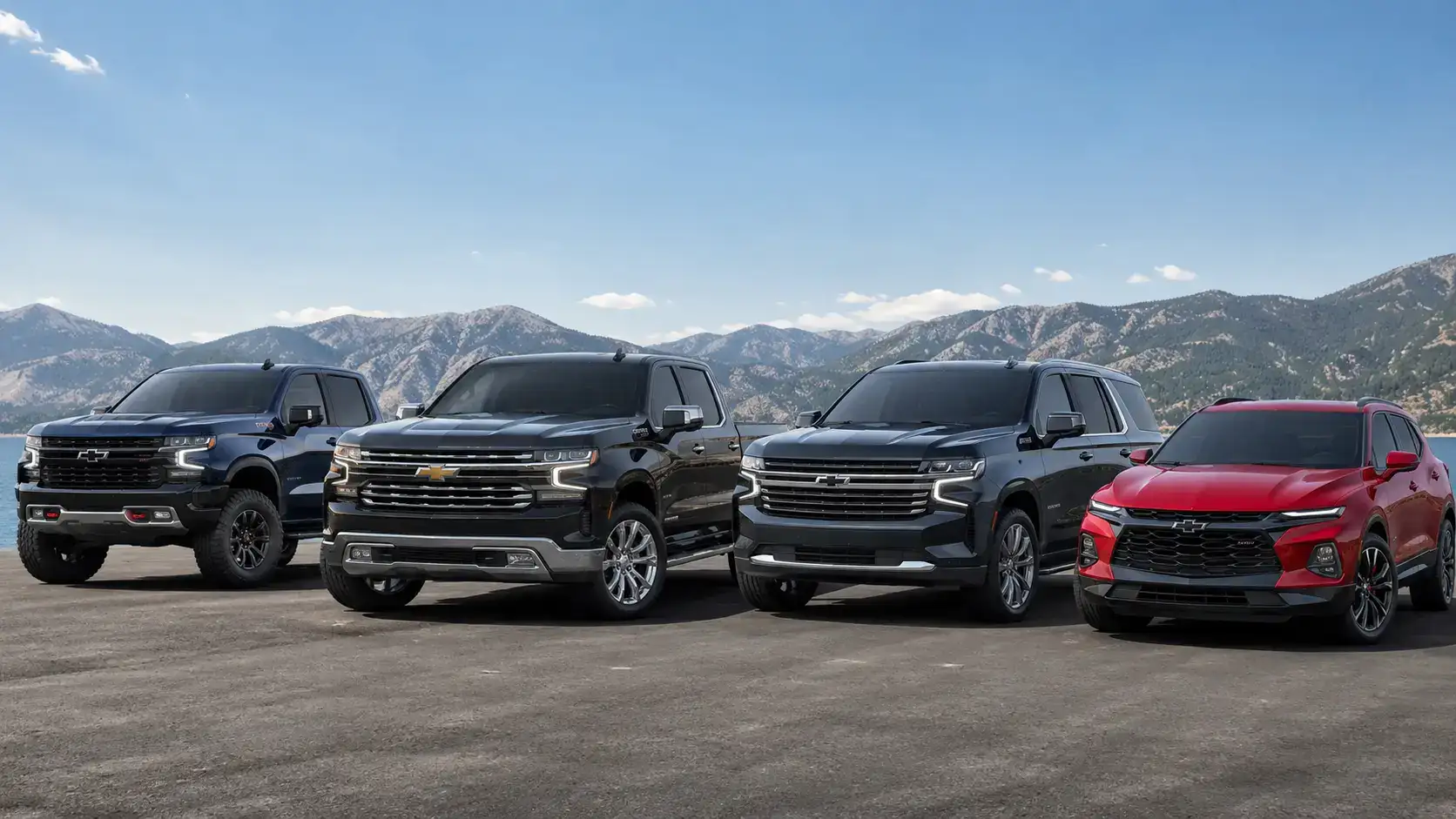
Chevrolet’s trim naming system is one of the most extensive in the automotive industry, and one of the most confusing for buyers who encounter it for the first time. LT, LTZ, RST, Z71, Trail Boss, ZR2, WT, LS, Custom, Premier, High Country, ACTIV: these names appear across Chevy’s lineup in combinations that vary by model, reflect different traditions and philosophies, and signal very different things about what a vehicle includes and who it is built for. Understanding the naming logic is the foundation for navigating any Chevy purchase without confusion.
This guide organizes the full Chevrolet trim vocabulary into the categories that explain why each name exists, what it typically signals about a vehicle’s character, and where each trim sits in the lineup hierarchy. At Starling Chevrolet in St. Cloud, we help buyers navigate this naming system every day, and the clarity it provides makes the purchase decision more efficient for everyone.
Why Chevy Uses So Many Trim Names
Chevrolet’s extensive trim name vocabulary reflects several decades of brand history, product decisions, and market positioning evolution, not a single coherent naming system designed from scratch. Some names (LT, LTZ) trace to the 1970s and have been applied consistently across Chevy’s car and truck lineup ever since. Others (Trail Boss, ZR2) reflect specific capability-focused trim additions from the last decade that needed names distinct from the existing hierarchy. Still others (ACTIV, RST) are newer designations introduced to address specific buyer profile needs that the existing names did not cover.
The practical result is a naming system that operates in layers: a general hierarchy from entry to luxury that LT, LTZ, Premier, and High Country define; a capability layer that Z71, Trail Boss, and ZR2 define; and a style layer that RST, RS, and ACTIV define. Understanding which layer any given trim name belongs to, hierarchy, capability, or style, immediately clarifies what that trim is doing in the lineup and what it offers relative to its alternatives at the same price point.
Base Trims: WT, LS, and Custom
Three names define Chevrolet’s entry tier across different models, and each signals a specific character for its vehicle category. WT, Work Truck, is the entry configuration for Chevrolet’s truck lineup: the Silverado 1500 WT, Colorado WT, and Silverado HD WT all use this name to signal a commercial and fleet-oriented baseline.
WT trucks are built for utility and durability with minimal luxury content, vinyl seating, basic instrumentation, and the full capability of the platform without the content additions that drive price. Fleet buyers, commercial operators, and buyers who will add aftermarket equipment to a truck-focused platform choose the WT because they need the mechanical capability without paying for content they will not use.
LS is Chevrolet’s car-and-crossover equivalent of the WT: the entry configuration on passenger vehicles that is accessible in price and straightforward in equipment. The Malibu, Traverse (in previous generations), and some Silverado configurations have used LS as the entry level. In the current 2026 lineup, LS most commonly appears where a specific model needs an entry configuration below the LT.
Custom sits between the WT and LT on the Silverado 1500 and Silverado HD as a step-up from the work truck baseline that adds meaningful content improvements, cloth seating over vinyl, additional comfort features, without reaching the LT’s full equipment level. The Custom makes economic sense for buyers who need more than the bare commercial baseline but do not need the full LT content package.
Mainstream Trims: LT and LTZ Explained
LT and LTZ are Chevrolet’s most broadly applied trim names and the anchors of the mainstream trim hierarchy. LT stands for Luxury Touring, a name from the 1970s that described a premium content addition to base Chevy vehicles and has since become the trim name that signals the first genuinely comfortable, well-equipped Chevy configuration above the work truck or entry baseline. In 2026, the LT is the volume retail trim on most Chevy models: the configuration where the first meaningful technology content appears, where seating upgrades begin, and where the vehicle transitions from commercial utility to personal use orientation.
The LT typically includes: a larger infotainment screen than the base (often 13.4 inches where the entry trim has 8 inches), cloth or leatherette seating, additional comfort features like rear air conditioning vents, and the package structure that allows buyers to add specific content additions like leather seating, safety technology packages, and convenience features. It is the most popular single trim on most Chevy models because it represents the best balance of standard content and price for most buyers’ daily use needs. LTZ stands for Luxury Touring Z, the ‘Z’ historically referenced a performance or premium package designation. The LTZ is the step above LT that delivers the first genuinely premium content: leather seating surfaces as standard, heated front seats, additional technology content as standard, and specific exterior and interior upgrades that distinguish it from the LT visually and tactilely. On the Silverado 1500, the LTZ is the trim where the ProGrade Trailering System’s full camera and app suite becomes standard, where the available Bose audio first appears, and where the overall content level begins to compete with the near-luxury segment. LTZ is typically priced approximately $5,000 to $10,000 above the LT and is the choice for buyers who want the premium content as standard rather than the LT’s package-it-yourself approach.
Sporty and Off-Road Trims
Chevrolet’s capability and style-focused trims form the second layer of the naming system, trims that are not primarily defined by their position in the luxury hierarchy but by the specific capability or appearance character they add to a particular model. These trims often exist at prices similar to mid-tier hierarchy trims but serve completely different buyer priorities.
RST: The Street-Focused Sport Trim
RST stands for Rally Sport Truck, a heritage reference to Chevrolet’s Rally Sport package from the Camaro’s history, applied to the Silverado in 2018 and since expanded to other Chevy models. The RST is the appearance-focused sport trim: blacked-out exterior treatment (dark grille, dark trim accents, specific wheel designs), a sport-performance exterior character, and the suspension and interior calibration that complements its visual statement. The RST is the choice for Silverado and Traverse buyers who want the sporty, contemporary appearance of a blacked-out truck or crossover without the off-road hardware of the Z71 or the luxury premium of the LTZ. On the 2026 Silverado 1500, the RST sits between the LT and LTZ in the price hierarchy but in a different category, it is not an upgrade path toward the LTZ’s luxury content; it is a style statement at the LT-to-LTZ price zone that serves buyers whose priority is the RS appearance over the LTZ’s material upgrades. On the 2026 Traverse, the RS trim includes Super Cruise as standard, 22-inch black wheels, and a specific sporty character that distinguishes it from the family-practical LT and Z71.
Z71 and Trail Boss: Chevy’s Off-Road Packages
Z71 is Chevrolet’s most established off-road trim designation, with a heritage dating to the 1980s when it appeared as a Silverado C/K off-road package. In 2026, Z71 appears across multiple Chevy models, Silverado 1500, Colorado, Silverado HD, Tahoe, Suburban, and Traverse, consistently signaling the same set of off-road additions: dedicated off-road suspension tuning, skid plate coverage, all-terrain tires, and specific off-road drive system features appropriate to each model. On the Silverado 1500, the Z71 adds a 2-inch suspension lift, Rancho shocks, and all-terrain tires. On the Traverse, it adds the Advanced Twin-Clutch AWD system, off-road suspension, skid plates, and Hill Descent Control.
On the Tahoe, it adds a suspension lift and off-road calibration. The Z71 does not reach the extreme off-road capability of the ZR2, it is the practical off-road package for buyers who regularly encounter unpaved roads, boat ramps, and the light trail use that outdoor recreation in Central Florida involves, without committing to the ZR2’s dedicated trail truck specification. Trail Boss is the Silverado 1500-exclusive off-road trim that sits above the Z71 in off-road capability and below the ZR2 in price. It adds a factory 2-inch suspension lift, Rancho monotube front shocks, all-terrain tires, and the Terrain Drive Mode system. The Trail Boss is the middle-ground for Silverado buyers who want more off-road hardware than the Z71 provides but do not need or cannot justify the ZR2’s Multimatic DSSV dampers and locking differentials.
ZR2: The Flagship Off-Road Trim
ZR2 is Chevrolet’s maximum off-road capability designation, the trim at which factory off-road hardware reaches its peak across each model that offers it. The ZR2 name reflects the most extreme factory off-road specification available from any mainstream manufacturer in the half-ton truck segment. On the 2026 Silverado 1500 ZR2: Multimatic DSSV position-sensitive dampers, a factory 2-inch suspension lift, 33-inch Goodyear Wrangler Territory MT mud-terrain tires as standard, a steel front bumper for improved approach angle, front and rear electronic locking differentials, and underbody skid plates. For 2026, the ZR2 gains the Technology Package and Multi-Flex Tailgate as standard equipment.
The ZR2 is not a daily driver with occasional trail use in mind, it is a genuine trail truck that happens to be legal and comfortable on public roads. On the Silverado HD, the ZR2 adds 35-inch tires, Multimatic DSSV dampers calibrated for the heavier platform, and the off-road hardware appropriate to a heavy-duty truck that buyers want to take to challenging terrain. ZR2 Bison Edition is the ultimate expression, adding AEV-engineered Boron steel bumpers and skid plates to the already-maximum ZR2 specification.
Premium Trims: Premier, High Country, and the New ACTIV
The premium tier of Chevrolet’s trim hierarchy resolves at Premier and High Country, the luxury flagship designations that appear at the top of each model’s lineup. Premier appears as the luxury top trim on crossover and SUV models where High Country is not used, the Blazer Premier, the Equinox Premier, and the Tahoe Premier are the high-content luxury expressions of their respective models. High Country is Chevrolet’s most premium designation, typically appearing on the Silverado, Silverado HD, Colorado, Tahoe, Suburban, and Traverse as the absolute flagship configuration with the highest-grade interior materials, the most standard technology content, and the specific visual and material character that distinguishes the top trim from the LTZ or Premier below it.
On the 2026 Silverado 1500, the High Country adds the Bose premium audio system as standard, heated and ventilated front seats, genuine open-pore wood interior trim, High Country-exclusive exterior badging and design elements, and the full standard content that the LTZ makes available as options. On the Traverse, the High Country includes standard Super Cruise, One-Touch Fold second-row seats, power-folding third-row seating, and the most premium interior appointments available on any Traverse configuration. ACTIV is the newest addition to Chevrolet’s trim vocabulary, introduced on the 2026 Equinox as the adventure-oriented trim that brings all-terrain tires, off-road-inspired exterior styling, and adventure-utility character to the compact crossover segment. ACTIV occupies the lifestyle adventure space in Chevrolet’s crossover lineup, below the ZR2’s extreme off-road specification and above the LT’s standard configuration, serving buyers who want the Equinox’s compact, fuel-efficient package with the outdoor character that weekend exploration requires. The ACTIV represents Chevrolet’s recognition that a growing segment of crossover buyers want the appearance and light capability of an adventure-ready vehicle without committing to a full off-road truck.
Find the Right Chevy Trim at Starling Chevrolet St. Cloud
The trim naming framework in this guide provides the conceptual structure; the specific content of any particular trim on any particular model requires checking the current model year’s configuration for that specific vehicle. Chevrolet’s standard content and available packages change with each model year, and the specific content that a 2026 Silverado LT includes is different from what a 2025 Silverado LT included in specific details.
At Starling Chevrolet in St. Cloud, our sales team navigates the Chevrolet trim structure daily and can clarify what any specific trim on any specific 2026 model includes, what packages are available to add specific features, and which trim represents the best value for a specific buyer’s priorities. For buyers who arrive knowing they want the Z71’s off-road character but are uncertain whether to step up to the Trail Boss or ZR2, or who want the LTZ’s standard content but are considering whether the ACTIV’s adventure positioning fits their lifestyle: our team’s configuration knowledge is the practical complement to this guide’s naming framework. Visit us at 1001 E Highway 192 in St. Cloud to find the right Chevy trim for your situation.
Conclusion
Chevrolet’s trim naming system operates in three layers: the hierarchy layer (WT, LS, Custom, LT, LTZ, Premier, High Country) that defines the standard content progression from commercial-baseline to luxury flagship; the capability layer (Z71, Trail Boss, ZR2) that adds off-road hardware at specific capability levels; and the style layer (RST, RS, ACTIV) that adds appearance and lifestyle character without the off-road hardware commitment. Understanding which layer a trim belongs to immediately clarifies what it provides and who it serves. Chevy Safety Assist is standard across all trims in the hierarchy. Super Cruise is available on specific models at specific trims. The specific content of each trim varies by model and model year. Starling Chevrolet at 1001 E Highway 192 in St. Cloud can confirm current content for any specific configuration you are evaluating.

0 comment(s) so far on Chevy Trim Levels Explained: LT, RST, LTZ, Z71, Trail Boss & More